If you only have a minute:
- Corporal punishment remains common in Singapore, even though many parents who use it do not believe it is effective. Research increasingly links physical discipline to negative developmental, mental health, and behavioural outcomes.
- WHO-reviewed evidence shows that physical punishment activates children’s stress-response systems, while studies in Singapore and across Asia associate corporal punishment with poorer emotional regulation, anxiety, aggression, and reduced executive functioning.
- Research suggests that the effects of corporal punishment can extend beyond childhood, influencing academic performance, mental health, physical health, and future parenting behaviours.
- The article argues that Singapore urgently needs greater public education around positive discipline strategies and a broader national conversation about alternatives to physical punishment.
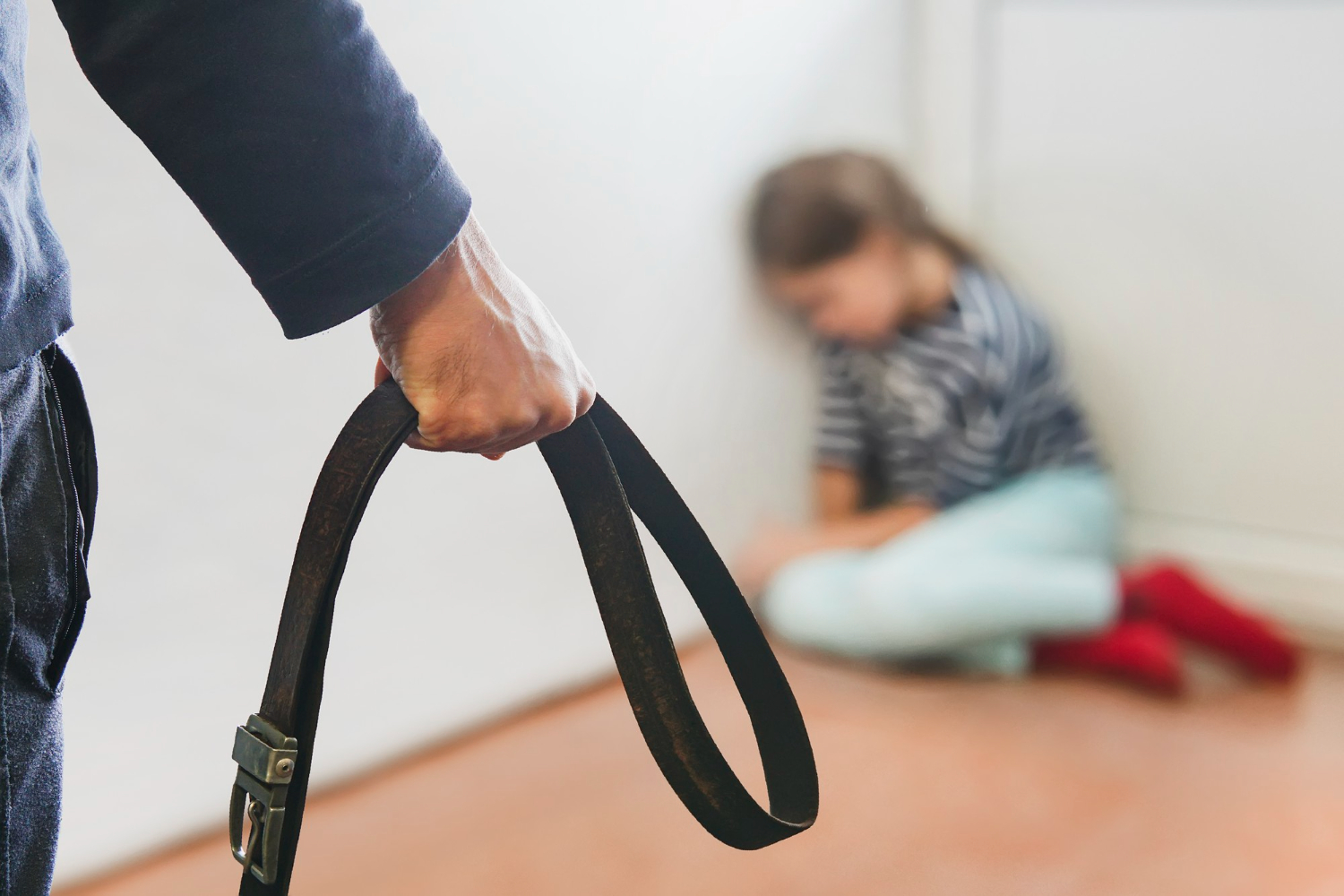
In Singapore, corporal punishment (CP)—often involving a cane, ruler, or belt—is frequently viewed as a form of “tough love.” However, a 2021 study found that while 45% of Singaporean parents use CP, only 27% believe it is actually effective. This highlights a significant gap between our cultural habits and our goals for our children.
1. The Local Context: Normalization vs. Reality
Singaporean society often judges physical discipline less harshly than other developed nations. It is sometimes used specifically to penalize academic performance (e.g., “one stroke for every mark missed”).
- Policy Gaps: While Singapore banned CP in early childhood centers for children under 7 in 2018, it remains legal in homes and is still practiced in schools. Other Asian countries, like China and the Philippines, have already banned CP in schools, while Japan and South Korea have made it illegal across all settings.
- The “Measured” Myth: Many local parents believe that if hitting is done “calmly” to teach a lesson, it isn’t “abuse.” Science disagrees. The World Health Organization (WHO) notes that the developing brain responds to physical punishment as a threat experience, activating the same stress pathways involved in fear and violence responses.
2. How CP Literally Changes the Brain
Research in neurobiology shows that the “sting” of a cane or a palm is associated with lasting changes to the brain’s physical architecture.
- The Stress Axis (HPA): A 2003 study measured infants’ cortisol levels during mildly stressful situations. Those whose mothers used CP produced significantly higher cortisol levels than other infants. This suggests that CP “downgrades” a child’s ability to respond healthily to everyday stress, even when the CP is “mild” (spanking/ slapping).
- Gray Matter Volume (GMV): MRI scans of young adults (ages 18–25) exposed to harsh CP (hitting with an object) showed a 15–19% reduction in gray matter in the prefrontal cortex—the area responsible for planning, emotion regulation, and social cues.
- Hippocampus Damage: Severe stress inhibits the production of synapses in the hippocampus, which is vital for memory and learning. This can lead to a lifelong deficit in how an individual processes information.
Research shows that associations between corporal punishment and adverse outcomes often remain even after controlling for variables like socioeconomic status, family structure, and exposure to abuse.
3. Academic and Cognitive Outcomes
The “Academic Discipline” argument—hitting to ensure focus—is counter-productive.
- The 49-Country Study: The WHO found that children exposed to CP were 24% less likely to be developmentally on track. They showed smaller vocabularies and lower achievement in math and reading.
- Executive Function: Because CP impacts the prefrontal cortex, it is linked to poorer executive functioning such as attention control, planning, and emotional regulation. Instead of helping a child “focus,” it may undermine the very brain functions required for academic success.
4. Long-Term Mental and Physical Health
The effects of CP do not end when a child leaves home; they persist into the Singaporean workforce and family life.
- Emotional Regulation: Young Singaporeans who experienced CP were found to have measurably poorer emotional regulation than their peers. The Yale School of Medicine calls this “the linchpin for mental health.”
- The Asian Meta-Analysis: A 2015 study of China, Taiwan, and Hong Kong found that childhood physical discipline was strongly associated with:
- Post-Traumatic Stress Disorder (PTSD)
- Borderline Personality Disorder
- Anxiety and Depression
In recent years, the Chinese government has outlawed CP in schools, and passed legislation promoting alternative forms of discipline within the home.
- Physical Disease: Harsh discipline is associated with a higher risk of cardiovascular disease, arthritis, and obesity in adulthood, even when the child was not otherwise abused.
Increasingly, many researchers view CP as an Adverse Childhood Experience (ACE) – a form of childhood trauma – given its long-lasting effects on physical and mental health.
5. The Vicious Cycle and “The 80% Rule”
Violence is a cycle. Children who are physically punished are more likely to become aggressive adults and pass these habits to their own children.
A Sobering Fact: Research across Canada, Hong Kong, and Finland shows that up to 80% of documented physical abuse cases in those countries began as an attempt at discipline that “went too far.”
Summary: A New Path Forward
The science is clear: CP can feel like it provides a “quick fix” for parents, but causes long-term neurological damage to children. While Singaporean parents often report feeling guilt and hurt after using CP, these emotions suggest they may be acting out of stress rather than a confident parenting strategy.
We cannot change the past, but with this evidence, we can choose to adopt more effective, non-violent ways to guide the next generation.
Recommendations
In Singapore, given the engrained cultural acceptance of CP and its high societal and economic cost, EveryChild.SG urgently recommends:
- A nation-wide, state-led and state-funded effort to gradually educate and empower parents with positive discipline strategies across the various stages of child development;
- That paediatric professionals (paediatricians, psychologists, psychiatrists, etc) and positive parenting coaches help to open and sustain a national conversation about the harms of CP and the effectiveness of positive parenting.