If you only have a minute:
- Repeated criticism, shaming, and humiliation can shape a child’s stress regulation and self-worth, even when parents intend to guide rather than harm.
- Healthy discipline focuses on behaviour, not identity. Small shifts in language — from shame to guidance — can help children feel safe, respected, and emotionally supported.
- Reflective parenting techniques like “Stop, Breathe, Think, Speak” encourage parents to pause before reacting and respond with curiosity rather than anger or humiliation.
- Repair matters. Acknowledging harsh reactions, apologising, and reconnecting with a child can help break cycles of shame and model healthy emotional accountability.
Words are not neutral; they are developmental experiences. Repeated criticism, shaming, or humiliation can leave lasting marks on a child’s self-concept and stress regulation. In Singapore, where verbal harm is often “normalised,” the data is sobering: 61% of university students report childhood emotional abuse, leading to higher rates of anxiety and depression.
While our intent as parents is almost always to guide, the “intent” behind verbal abuse—much like physical abuse—does not negate the harm caused. To move forward, we must understand that discipline should focus on actions, not the child’s worth.
Shifting the Script
Harsh statements often slip out in moments of high stress. Preparing alternative responses can help us pivot from shame to guidance.
| Situation | Instead of saying… | You can say… |
| Mistakes | “Why are you always like that? So careless.” | “It’s okay lah. Mistakes happen. You can try again.” |
| Problem-solving | “It’s not that hard. Don’t be so slow.” | “Want a bit of help? Try again slowly, no rush.” |
| Emotional distress | “Big boy/girl, don’t cry lah, later people laugh at you.” | “It’s okay to cry. Sometimes you just need to let it out.” |
| Checking in | “You did something wrong, right? What now?” | “Just checking if everything’s okay, not scolding you.” |
| Rule-breaking | “See lah, now no iPad. You want to be naughty, you suffer.” | “No iPad today because the rule was broken. Let’s try again tomorrow.” |
The Power of the Pause
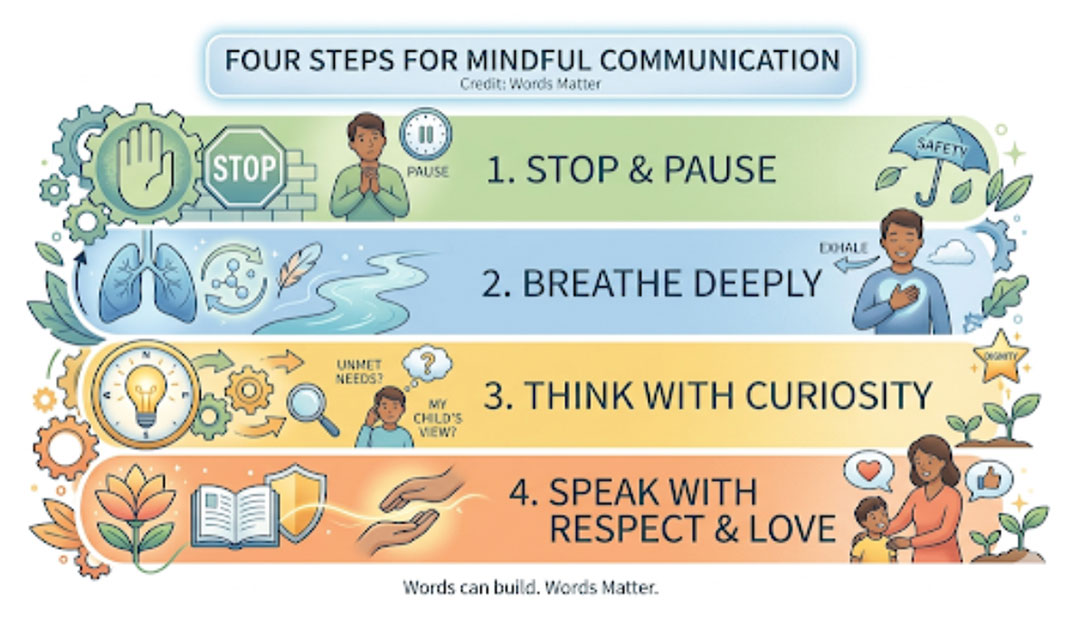
The goal is not perfection, but reflective parenting. Pausing before reacting allows us to ask:
- Is my child lacking skills rather than motivation? * What unmet needs are driving this behaviour? * How can I guide rather than shame?
Charities like Words Matter suggest a simple four-step approach: Stop, Breathe, Think, Speak. This pause shifts the environment from one of blame to one of safety.
The Role of Repair
Consistent repair is just as important as the discipline itself. When we react harshly—as we inevitably will—acknowledging it is vital. Saying, “I was too harsh earlier, I’m sorry,” models accountability and teaches the child that mistakes are opportunities for connection rather than reasons for shame.
Beyond the Home
Children absorb communication patterns across all contexts. When parents, teachers, and coaches replace ridicule and negative comparisons with encouragement and curiosity, they create a buffer against internalised shame. By focusing on effort and personal growth rather than benchmarking children against their peers, we foster resilience.
By approaching guidance through the lens of curiosity and relational safety, we ensure our children grow not in fear of humiliation, but in the security of respect. Small, consistent shifts in our daily communication can transform a child’s world.
By Dr. Hana Alhadad
Part 1: Childhood Verbal Abuse: The Scar We Can’t See
Part 3: Unlearning the Critic: The Neuroscience of Verbal Abuse and the Path to Healing